



housingless rolling mill
In recent years, the advent of housingless rolling mills (کارخانه نورد بدون مسکن) has revolutionized the steel manufacturing industry by improving production efficiency and minimizing operational costs. Housingless rolling mills offer a range of advantages, most notably their flexibility and precision in rolling steel products. A housingless design facilitates ease of maintenance and a more compact setup, which has sparked increasing interest among manufacturers aiming for innovation and cost-effectiveness. Housingless rolling mills operate by utilizing a series of precisely positioned and flexible roll stands. These stands are engineered to support high-speed production and allow for the adjustment of roll gap, a crucial factor that determines the thickness of the final product. This adaptability is particularly advantageous in fulfilling specific customer requirements for various rolled products, such as rebars, rods, and sections. The implementation of housingless rolling mills has significantly enhanced the overall efficiency of the steel production process. One notable benefit is the reduction in downtime for roll changes and maintenance. Traditional rolling mills require considerable time and labor to alter or maintain the roll housings. In contrast, housingless mills allow for quicker exchanges, facilitating increased production speeds and better resource allocation. This efficiency translates to a tangible competitive edge in a market that consistently demands higher productivity and lower operational costs. Housingless rolling mills are equipped with advanced automation technology . This integration provides precise control over the rolling process, maintaining consistent quality across production batches. For manufacturers, this precision means not only meeting international quality standards but exceeding customer expectations by delivering uniform product quality. The automation systems further improve safety, as they reduce the likelihood of human error and accidents, enhancing the trust manufacturers place in housingless rolling setups. Furthermore, the compact nature of housingless rolling mills contributes to a significant reduction in power consumption, offering substantial energy savings compared to traditional housing mills. This aspect is increasingly important in modern industry, as manufacturers are under pressure to meet strict environmental standards and reduce their carbon footprint. The energy efficiency of housingless rolling mills positions them as a sustainable solution in a world that is gravitating towards green manufacturing practices. Houseless rolling mill Expertise in the operation and maintenance of housingless rolling mills is a valued skill, as the technology continues to spread through the steel manufacturing sector. Professionals involved in the setup and operation must acquire a deep understanding of metallurgical processes, mechanics, and automation to optimize production. Continuous training and development are essential for operators to maintain the expertise required to maximize the functionalities of these advanced mills. Moreover, the authoritativeness of housingless rolling mills extends beyond production efficiency; it reflects a commitment to innovation in metallurgy and engineering. Companies investing in this technology demonstrate leadership in adopting cutting-edge solutions, setting benchmarks for industry standards. As these mills become more prevalent, manufacturers not only gain a technical advantage but also enhance their reputation as pioneers of modernization in steel manufacturing. Trustworthiness in adopting housingless rolling technology is rooted in empirical evidence and independent studies that confirm their effectiveness and efficiency. Case studies from users around the globe attest to its positive impact on reducing waste, improving quality, and ensuring faster turnarounds. Manufacturers considering switching to housingless mills have a wealth of reliable data and testimonials to inform their decision, ensuring that this investment is not only viable but prudent. In conclusion, housingless rolling mills epitomize the future of steel manufacturing, with their ability to increase operational efficiency, product quality, and adherence to environmental standards. By leading the charge for modernization and sustainability, manufacturers adopting these mills display a proactive approach in shaping a resilient and forward-thinking steel industry. As the technology evolves, it promises to deepen its integral role within the market, reaffirming the commitment to excellence that defines the ambitions of progressive steel manufacturers.

We have successfully executed over 500
projects around the world,
many first-of-their-kind
research projects and products in China, including
We have successfully executed over 500
projects around the world,
many first-of-their-kind
research projects and products in China, including
-
2004
The 1st hydraulic AGC system for hot rolling of ribbon steel
-
2006
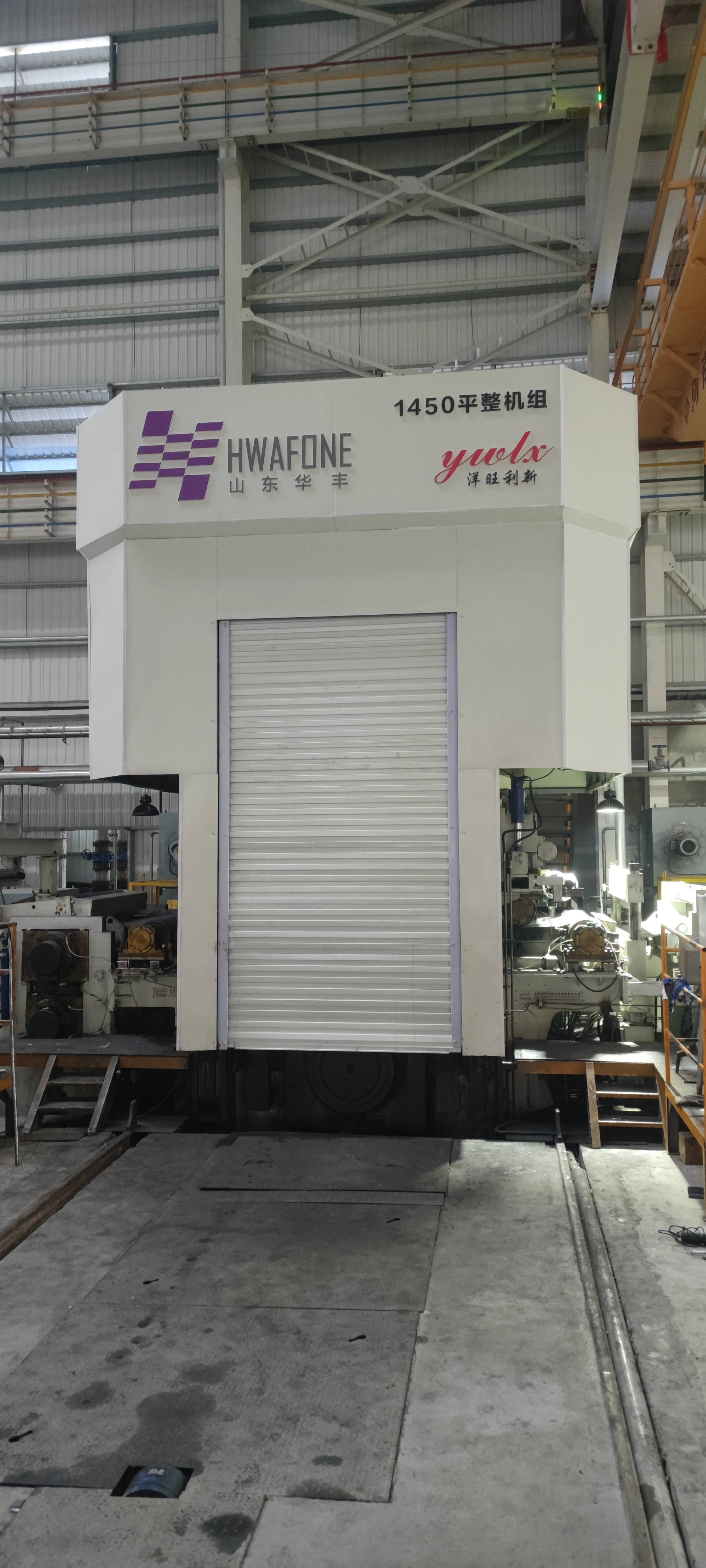
The 1st AFC system used for 1450mm skin pass mill
-
2009
The 1st 5-stand tandem line with 2-stand POR & Uncoiler for 650mm ribbon steel
-
2012
The 1st reversing mill for 1380mm strip
-
2016
The 1st soft-rolling system used in skin pass mill
-
2019
The 1st fully automated medium-width tandem cold rolling mill
-
2021
The 1st 5000KN Twin-stand double skin pass mill
-
2022
The 1st coupled pickling line & tandem cold mill with two modes - big roller & small roller
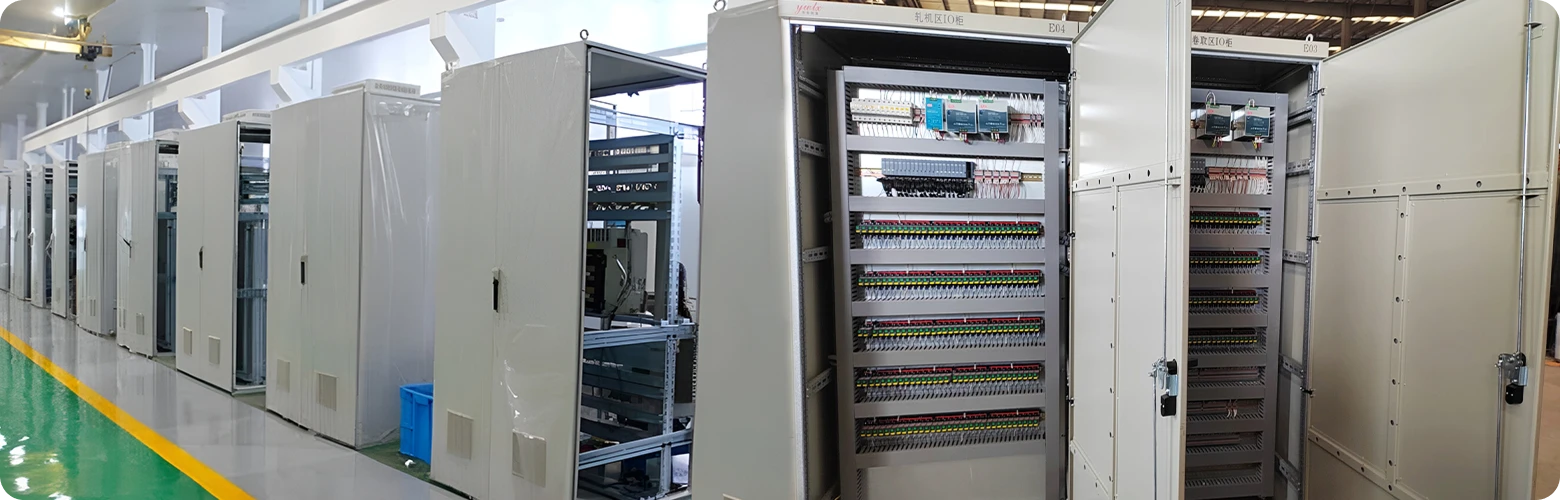
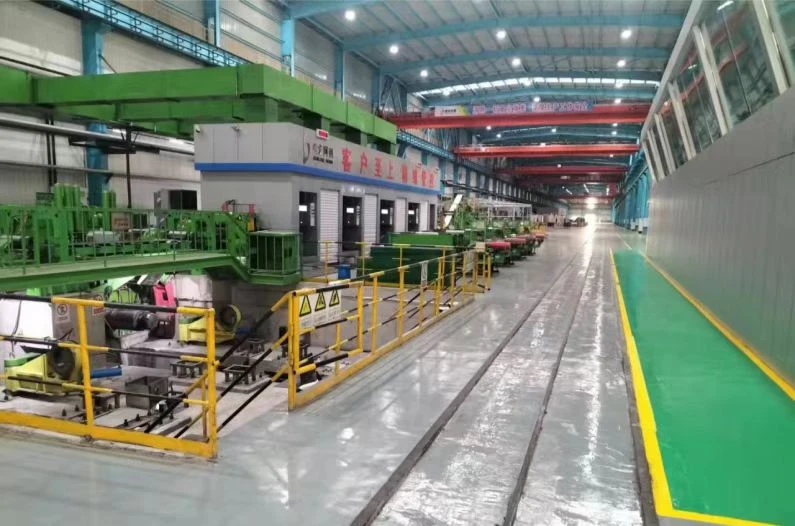
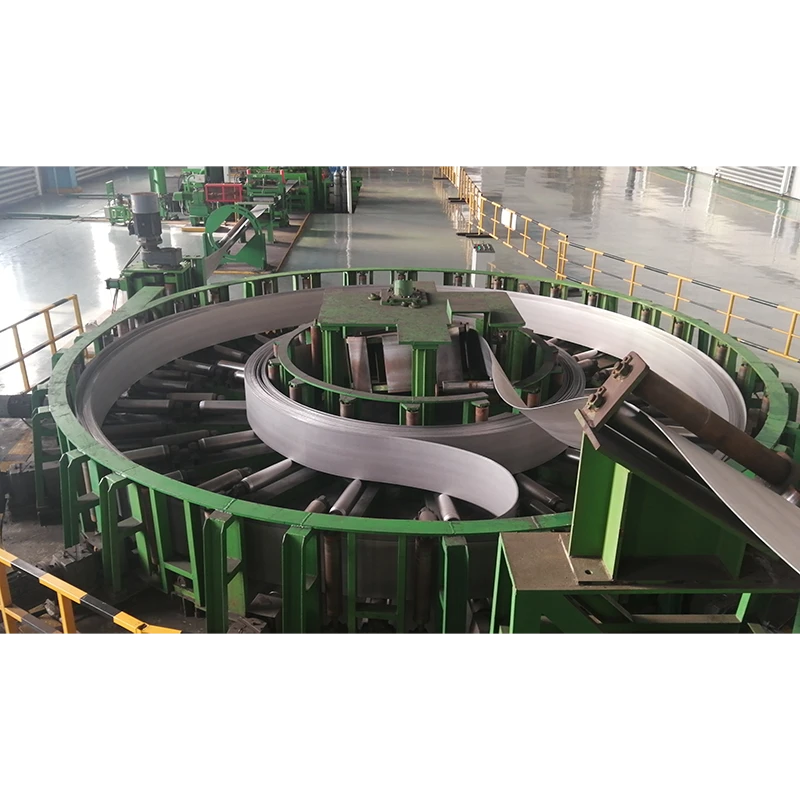

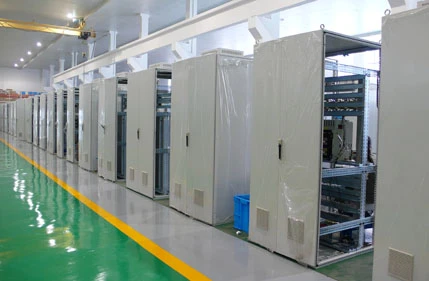
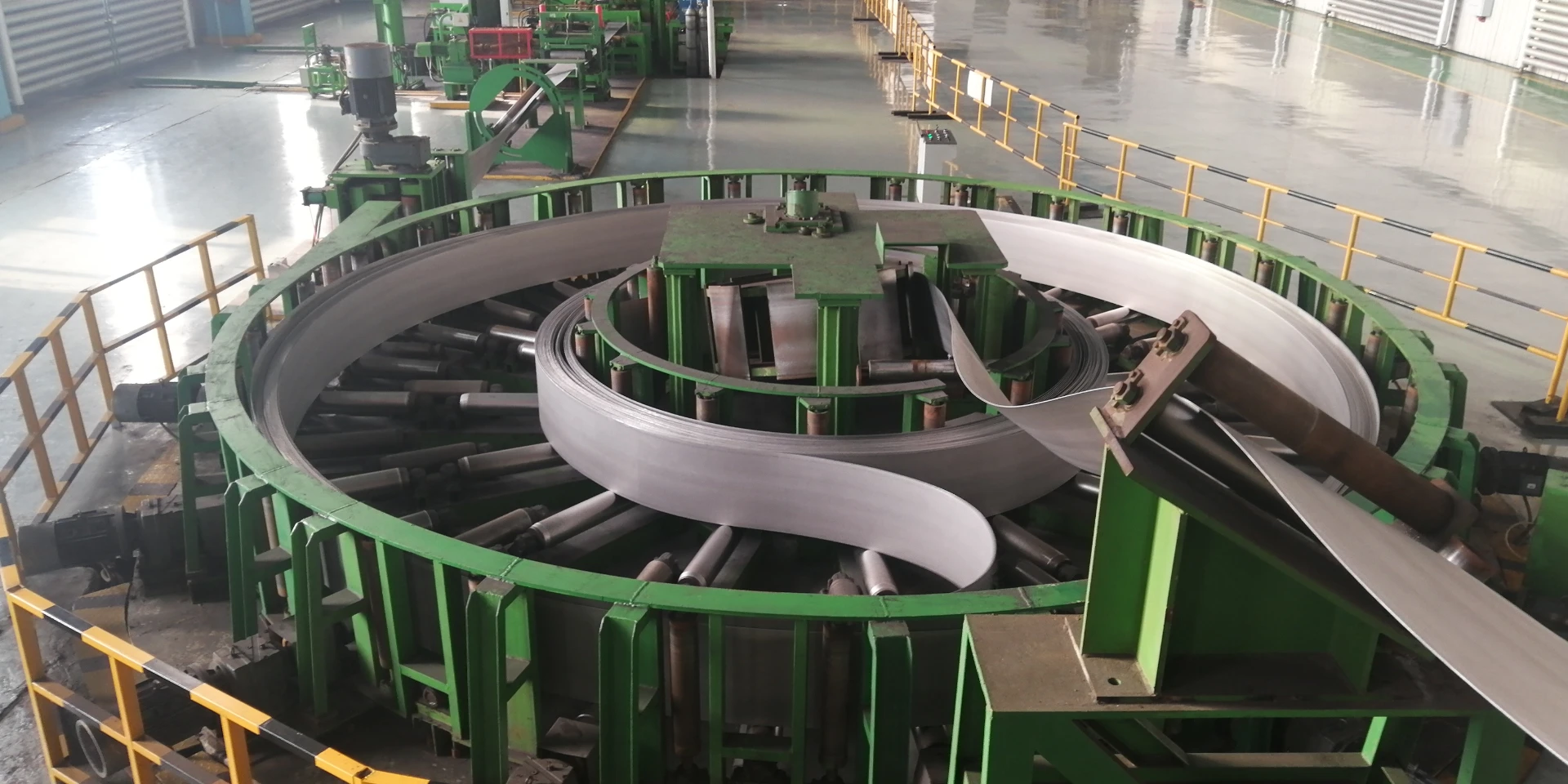
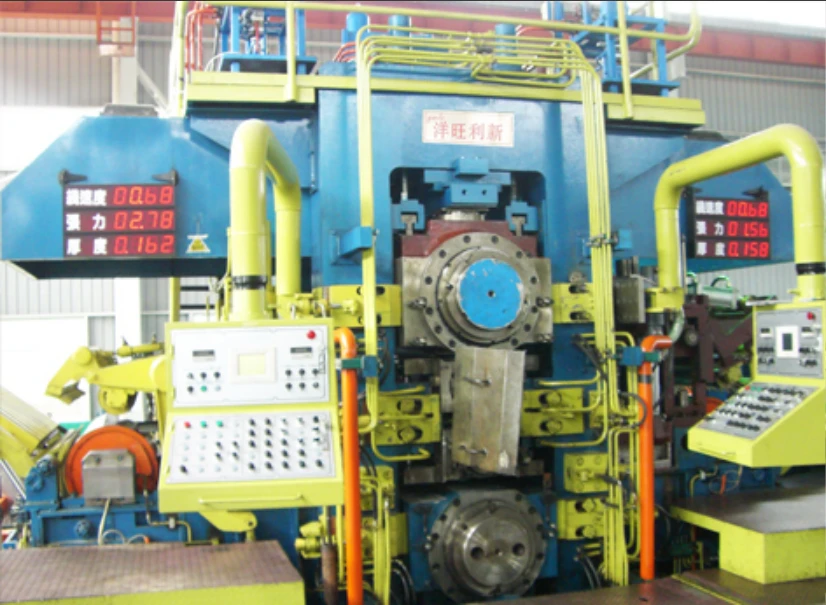
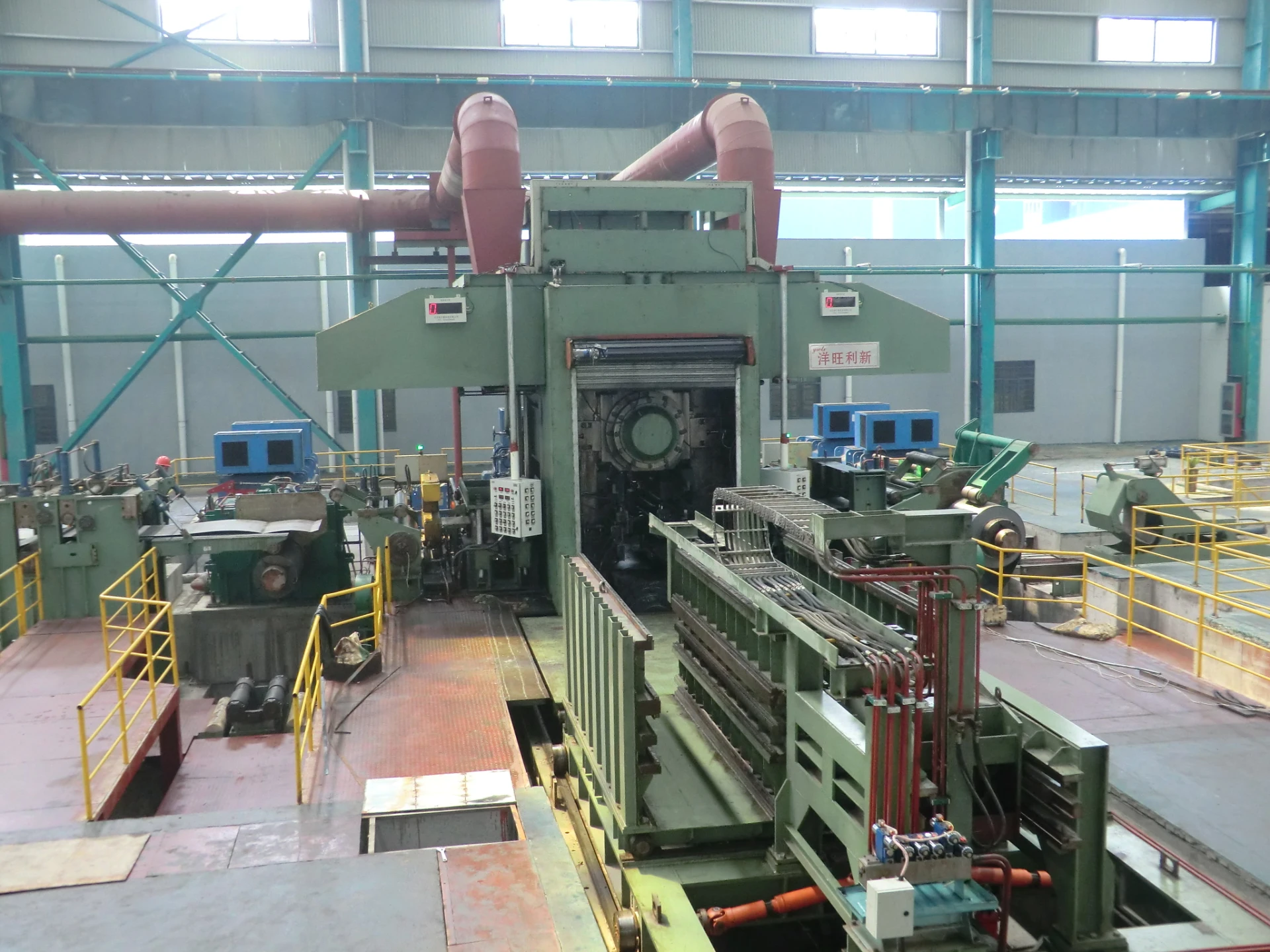
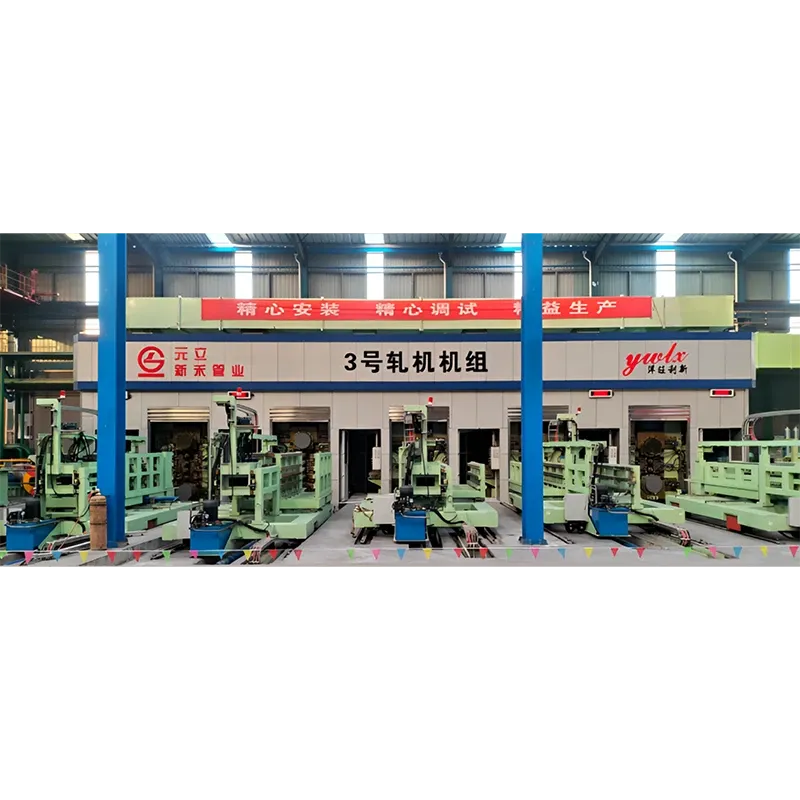
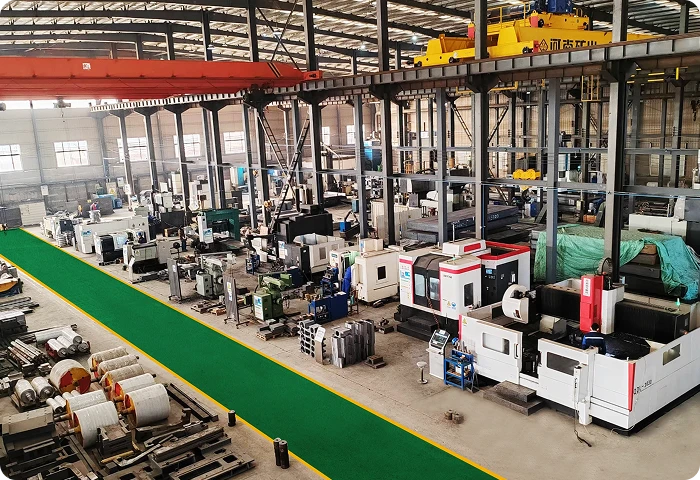
Yang Wang Li Xin operates a state-of-the-art facility over 66,000 square meters,and our manufacturing facility is fully equipped with high-tech machinery and high-capacity cranes. This enables us to handle large work pieces measuring 4.5m in width, 10m in length, and 1.5m in height, guaranteeing our capacity to produce 1800mm skin-pass mills and 1450mm rolling mills. The individual piece can weigh up to 100 tons.

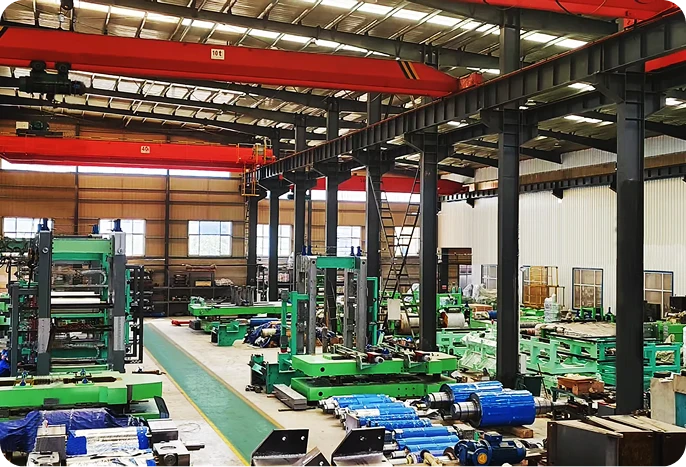

Quality is fundamental to the enterprise survival. We have established a comprehensive and meticulous quality management system and have successfully obtained ISO14000 certification. Starting from the design source, it supervises the entire production cycle, including design, procurement, processing, assembly, in-factory testing, installation, and online commissioning. The workshop is equipped with measuring tools like vernier calipers, spectrometers, hardness testers, and ultrasonic flaw detectors. They are used to check materials and control tolerances to ensure the final equipment meets or exceeds requirements. All products have a unique code, This enables the easy identification and traceability of the equipment components and ensures full control of quality.


-
 Cladding Rolling Mill - YWLX | Cold Rolling, Energy EfficiencyAt the forefront of modern metalworking technology, YWLX has developed an innovative cladding rolling mill system that addresses critical challenges in traditional metal bonding processes. This advanced solution combines energy efficiency, environmental sustainability, and high production yields to meet the evolving demands of industries ranging from electronics to automotive manufacturing. Techni
 -
 The Role of 4-High and 6-High Skin Pass Mills in the ZAM Galvanizing LineIn the ZAM galvanizing line, different types of skin pass mill s are employed, with the 4 - high and 6 - high skin pass mill s being prominent. Types of Skin Pass Mills: 4 - High and 6 - High A 4 - high skin pass mill consists of four rolls, with two working rolls in contact with the steel strip and two backup rolls to support the working rolls. This configuration provides a good balance between s
 -
 sistema agcUnderstanding Sistema AGC A Comprehensive Overview In recent years, advanced control systems have become increasingly pivotal in various technological applications. One such system that has garnered attention is Sistema AGC, which stands for Automatic Generation Control. This mechanism plays a critical role in electrical power systems, ensuring that electricity supply meets demand while maintainin


